Pump Station Repair: What Jacksonville Property Owners Need to Know
Pump station repair is a topic many Jacksonville property owners encounter but few fully understand. Knowing the difference between a pump station and a lift station can save time, money, and regulatory headaches. Both systems move water through a property or community, but they work differently, handle different fluids, and fail in different ways. This guide explains how each system operates, what can go wrong, and when professional repair services are needed.
What Is a Pump Station and How Does It Differ From a Lift Station?
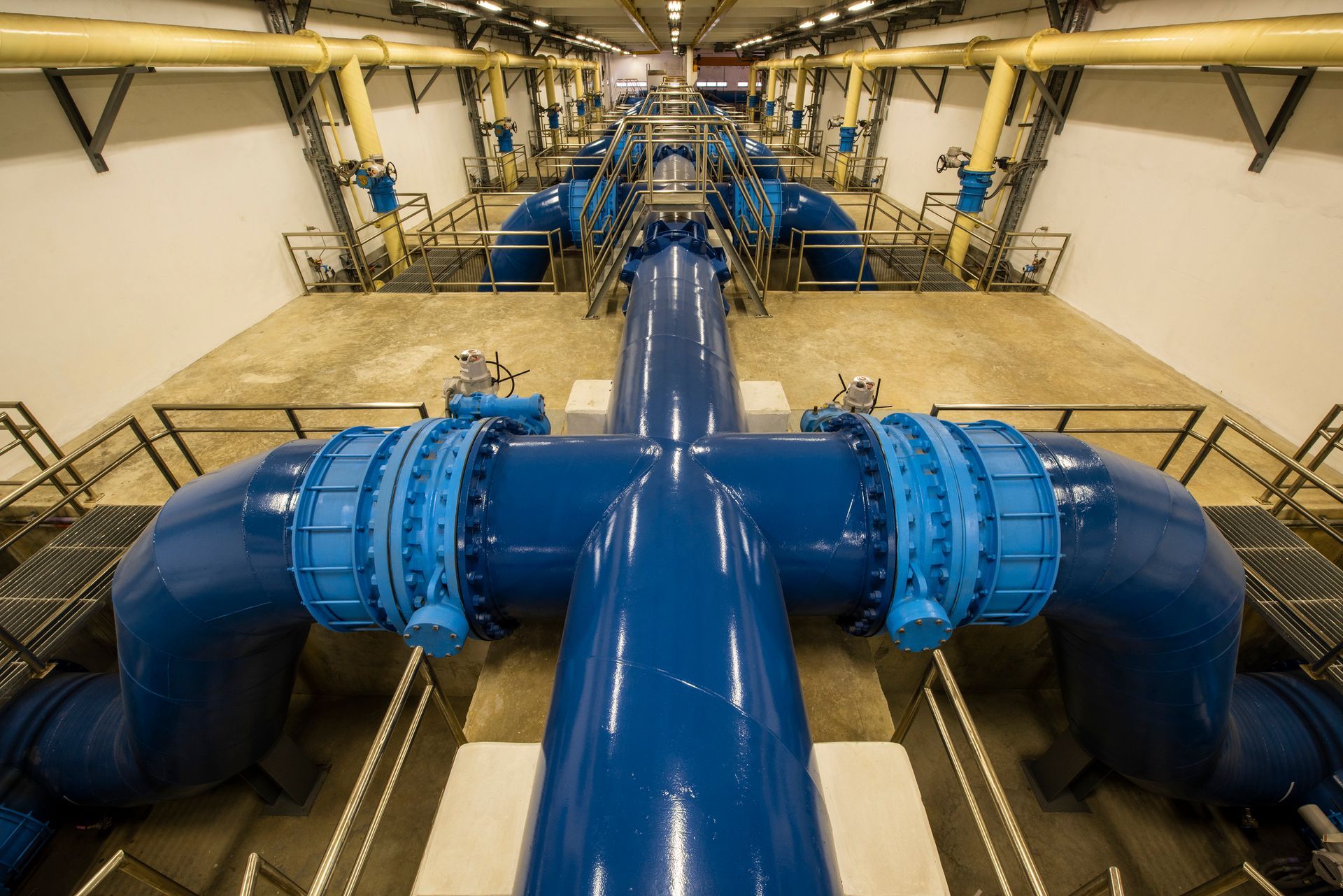
A pump station is a broad term for any facility that uses mechanical pumps to move fluids from one location to another. These systems commonly handle clean water, stormwater, or treated water. A lift station is a specific type designed to move raw sewage or wastewater containing solids from a lower elevation to a higher one when gravity cannot do the job.
Common Signs Your Lift Station Needs Repair
Pump stations typically move clean or lightly treated water. They appear in municipal water distribution networks, stormwater drainage systems, and industrial applications. Because the fluid is generally free of sewage and solids, internal components tend to be simpler to maintain. Jacksonville's flat terrain and proximity to the St. Johns River make stormwater pump stations especially important across Duval County, where heavy seasonal rainfall can overwhelm drainage systems quickly.
What Lift Stations Handle
Lift stations are built specifically for sewage containing solids. They rely on submersible pumps designed to handle debris without clogging, and they sit inside a wet well, a below-ground basin that collects incoming wastewater before it is pumped upward through a force main. In Jacksonville and across Duval County, lift stations serving private properties fall under Jacksonville Environmental Protection Board Rule 3. Failure to maintain these systems can lead to civil penalties.
Common Failure Modes for Each System
How Pump Stations Fail
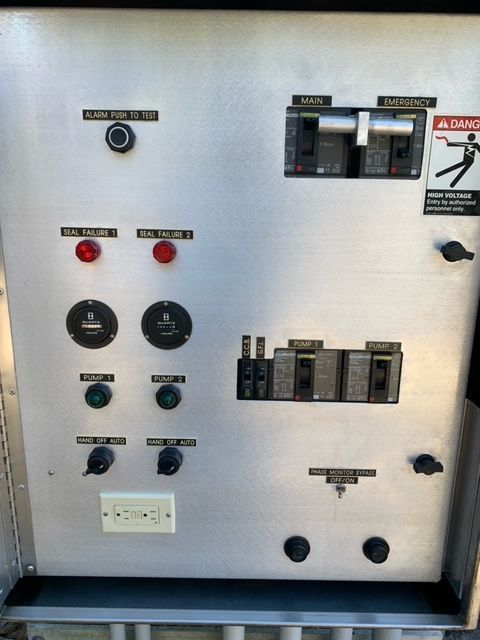
Pump station failures often involve mechanical wear rather than blockages. Impellers can erode over time, seals and gaskets degrade and leak, and valves may stick or fail to close fully. Electrical components and control panels are common failure points in outdoor installations exposed to Florida's heat and humidity. Float switches that control pump activation can also deteriorate, causing overflow or flooding when they fail to trigger a cycle. Scheduling pump station repair before components reach full failure avoids costly downtime.
How Lift Stations Fail
Lift stations face a wider range of risks. Submersible pumps can burn out if the wet well runs dry or if solids accumulate faster than the pumps can clear them. Float switches and level sensors may fail, leaving the system unable to detect when the wet well is full. Wet well walls can develop cracks or corrosion that compromise structural integrity. Jacksonville's high groundwater tables and heavy rainfall can overwhelm a lift station quickly, and failure during a storm can carry significant environmental and regulatory consequences.
Key Components Worth Knowing
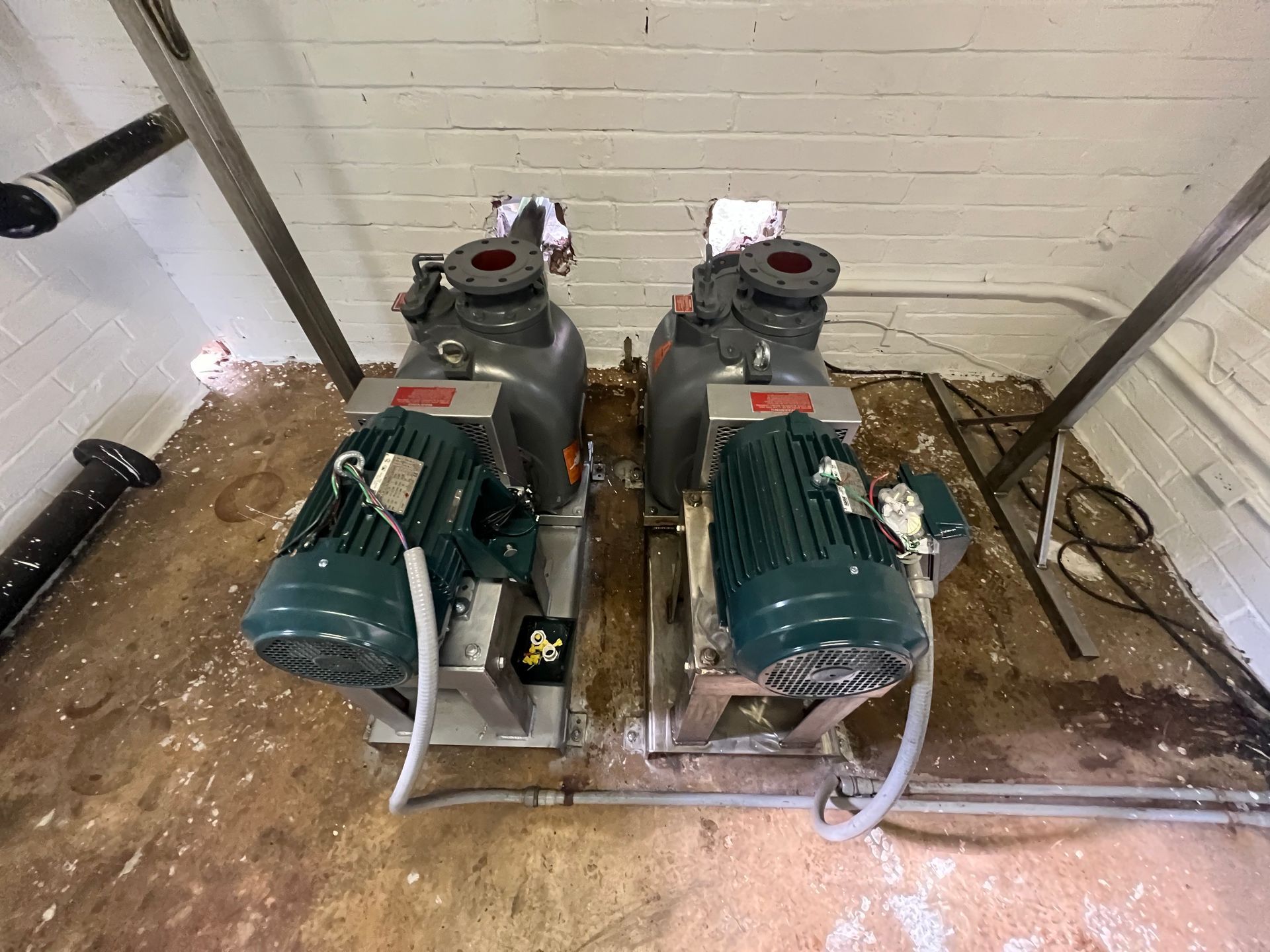
For pump stations, the most critical components include the pump unit and impeller, inlet and outlet valves, the control panel, seals and gaskets, and check valves that prevent backflow.
For lift stations, key components include the wet well basin, submersible solids-handling pumps, float switches and level sensors, alarms and telemetry systems, and ventilation features that manage hazardous gases.
When to Call for Pump Station Repair in Jacksonville, FL
Warning signs that warrant a prompt call to a professional include activated alarms or warning lights, unusual grinding or rattling sounds, slow drainage or visible backflow, a burning smell near the control panel, and evidence of overflow or sewage odors around the site.
Pump station repair in Jacksonville, FL, is most affordable when addressed quickly. A worn seal or sticking float switch is inexpensive to fix in isolation. Left unaddressed, these faults can lead to full system failure, overflow events, and fines under the Jacksonville Ordinance Code. Properties near waterways or in neighborhoods like Riverside, Arlington, or the Southside may face heightened regulatory scrutiny if a failure causes a spill. A qualified contractor can assess conditions and recommend corrective action before a minor fault escalates.
FAQs About Pump and Lift Station Repair
Can a Pump Station and a Lift Station Be Repaired the Same Way?
Not always. A pump station may need impeller replacement or valve servicing, while a lift station requires specialized equipment, safety protocols, and confined space procedures.
How Often Should These Systems Be Inspected?
Many professionals recommend quarterly inspections. Properties covered by JEPB Rule 3 must keep maintenance records for five years, making documented inspections practical and legally prudent.
Does Jacksonville's Rainfall Affect These Systems More Than Other Cities?
Yes. Florida's heavy rains strain stormwater pump stations and quickly fill lift station wet wells. Inspect before and after rainy season to catch issues early.
Get Expert Help From a Team That Knows Jacksonville's Infrastructure
Consolidated Utilities has served commercial, industrial, military, and municipal clients throughout Northeast Florida since 1948 and provides 24/7 emergency response for both pump and lift station systems. To learn more, visit our pump station repair page. To speak with a technician or request a free estimate, contact our team directly or call (904) 339-8265. You can also find and review our business on Google.